
Pain Management
Discover Inner Peace and Practical, Addiction-Informed Pain Management Coaching
Are you living with acute or chronic pain?
PRCI Wellness Coaches combine meditation techniques with logic to help you relate differently to your pain, creating the opportunity to flourish despite it.
Using logic to cope with chronic pain involves recognizing how your thoughts influence your experience of pain and applying structured thinking to reduce distress and improve resilience. Meditation techniques relax the body and guide you to explore a new, more self-compassionate relationship with pain, one in which the pain does not stop you from having a fulfilling, happy life.

Living with chronic pain can feel overwhelming, but PRCI Wellness can help you apply logical strategies to help you manage your symptoms more effectively. Logic doesn’t mean ignoring emotions; it means using reasoned thinking to challenge unhelpful beliefs, reduce stress, and make better decisions about your health.

Understanding the Pain-Thought Connection
Pain isn’t just physical—it’s deeply intertwined with your thoughts and emotions. Neuroscience shows that multiple brain regions contribute to pain perception, including those responsible for mood and cognition. Negative thinking patterns like catastrophizing (“This pain will ruin my life”) can amplify pain signals and increase suffering
Mind-Body Integration
Logic doesn’t exclude mindfulness or relaxation. In fact, combining logical thinking with mind-body practices like meditation enhances results:

Mindfulness helps you observe pain without judgment.

Guided imagery uses visualization to shift focus from pain to calm environments

Relaxation techniques like deep breathing reduce muscle tension and stress.
Together, these strategies create a holistic approach that respects both the rational and emotional aspects of pain.
Logic in Action: Practical Techniques
Implementing logical techniques turns abstract theories into practical tools for daily relief. You can start by setting clear, measurable goals for your physical activity to avoid the common cycle of overexertion and crash. By systematically tracking your progress and adjusting your expectations based on objective data, you empower yourself to manage symptoms with confidence and precision.

Applying Thought Records for Relief
One effective logical tool is the thought record. By writing down distressing thoughts and evaluating their validity, you can generate more balanced interpretations of your physical state. This structured analysis moves you from a place of emotional reactivity to one of reasoned action. Practice this regularly to gain a clearer perspective on your health and your unique path toward recovery.

Structured Problem-Solving for Pain
Chronic pain often creates complex daily obstacles that feel impossible to overcome. By using structured problem-solving, you can break these challenges down into manageable steps. Start by defining the specific issue, brainstorming potential solutions, and weighing the pros and cons of each. This logical approach transforms overwhelming stress into a clear, actionable plan for your recovery journey.
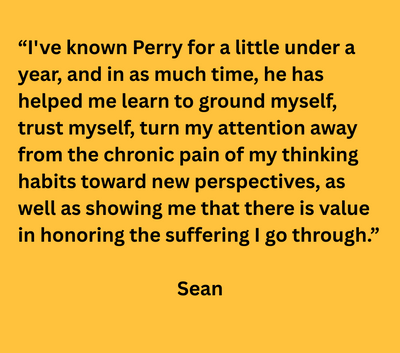
See What Our Clients Are Saying


Ready to get started?
Navigating chronic pain requires a balance of science and strategy. By applying logical thinking and CBT techniques, you can reclaim your life from the cycle of distress and discomfort. Contact us today
Start your healing process today.